
Dental Bridges Maplewood
Closing Gaps for a Complete Smile
If you are missing one to three teeth in a row, then you know how difficult it is to enjoy daily meals or to speak with loved ones. Fortunately, our Maplewood team is more than happy to offer dental bridges to help close the gaps in your smile. With these dental prosthetics, you can achieve a stronger and more durable bite without worrying about your remaining teeth shifting out of place. Read on to learn more about this restoration option or reach out to our team to schedule a visit today!
Why Choose Hilltop Dental for Dental Bridges?
- Patient-Centered Approach to Dentistry
- Offers In-House Dental Savings Plan & Flexible Financing
- Utilizes Modern Technology for High Success Rates
What Is a Dental Bridge?
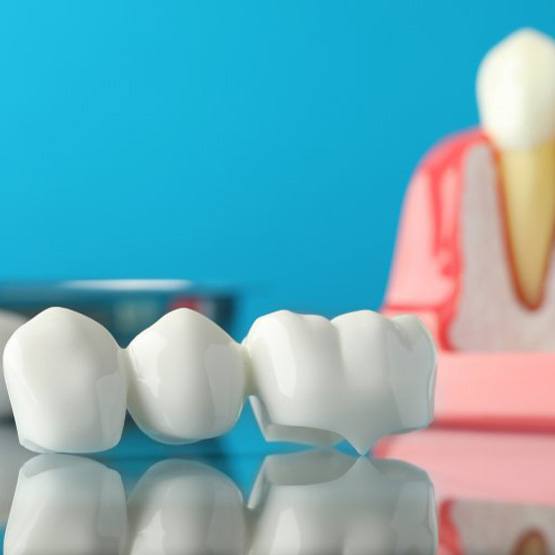
Dental bridges are a kind of prosthetic that is meant to replace one or a few missing teeth in a row. Although they might be similar to dentures, they don’t rely on gum suction to stay in place. Instead, they will use two dental crowns that will rest atop the abutment teeth on either side of the gap, and then pontics will bridge the space between them. The material will also be tooth-colored, meaning the results can blend right into the rest of your natural teeth while strengthening your overall bite.
Types of Dental Bridges

During your initial consultation, our team will discuss which kind of dental bridge will benefit you most according to your smile goals and oral health. Here is a brief look at the options we offer:
Traditional Dental Bridge
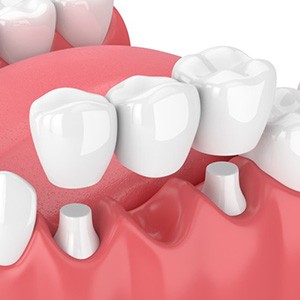
This dental bridge will depend on your natural abutment teeth. For this reason, we’ll need to ensure that your smile is healthy enough to support the dental crowns. The pontics will then close the gap, connecting your teeth for a complete look. With proper care, you can maintain your results for about a decade or more before needing a replacement.
Implant Bridge
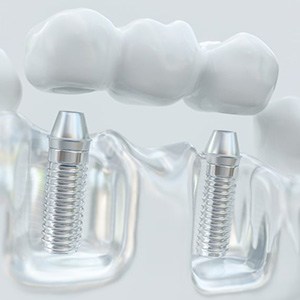
Instead of relying on your natural teeth, our team can place dental implants into the jawbone to support the dental bridge. Since the implants will serve as your new tooth roots, you can expect your results to last several decades or even a lifetime with proper care. This process typically requires months to finish due to the minor surgery and recovery.
The Benefits of Getting a Dental Bridge

Dental bridges bring a wide variety of advantages for you and your smile, including:
- Customized and natural-looking results
- Better oral health and bite strength
- Prevention of shifting teeth
- Durable and long-lasting dental prosthetics
- Stops further bone loss with implant bridges
Dental Bridges FAQs
Are Dental Bridges Safe?
As a matter of fact, yes – dental bridges in Maplewood are entirely safe when placed by dentists. They’ll restore and beautify your smile without causing any bodily harm.
The safety of bridges largely comes from their materials. After all, most models are now made of mercury-free metal, ceramic, or zirconia. Such substances contain zero toxins and shouldn’t cause any severe health reactions, assuming the bridge was placed carefully. The most you might experience is a slight allergy to a particular metal or porcelain, but even this effect is rare.
Of course, please call us if you experience concerning symptoms – gum irritation, redness, swelling, etc. These could indicate that your mouth is responding poorly to the bridge.
Can Dental Bridges Get Cavities?
Dental bridges themselves can’t get cavities, as they’re artificial and lack tooth enamel. However, the natural teeth that support them – the “abutments” – still can.
Remember, dental bridges don’t stay in your mouth automatically. They use dental crowns that fit over your natural teeth to remain stable. Given that fact, abutments with severe tooth decay can cause a bridge to loosen or even fall out. You must thus remember to clean under and around your prosthetic every single day.
Note also that bridges still wear down over time. In particular, the cement holding them in place can start to crack after a while. You’d do well to monitor your prosthetic for such erosion.
What Can You Not Eat with a Dental Bridge?
A dental bridge can chew most foods easily, but you should still try to be careful. Avoiding certain meals or dishes would help your prosthetics last as long as possible.
For example, try to limit your intake of sticky stuff. It could loosen your bridge or even pull it from your teeth, thus ruining your treatment results. That means going easily on fruit gummies, caramel, gooey candies, and so on.
You’d also do well to skip sugary foods and drinks. Due to their high sugar content, they can cause the teeth supporting your bridge to develop cavities. The result would be decayed abutments that fail to keep your restorations stable.
Do Dental Bridges Feel Natural?
If you get them from quality dentists, dental bridges feel quite natural. It’s to the point that they’ll strike you as normal parts of your smile just a few days after treatment.
Keep in mind that today’s bridges are made of durable materials. As such, they can withstand your jaw’s everyday chewing forces as easily as enamel can. That means eating with a bridge shouldn’t feel “off” or strange to you.
Also, don’t forget: A dentist customizes your bridge just for you. They’ll make sure your final restoration fits precisely, without any materials jutting out awkwardly. This tailoring work ensures the bridge won’t feel noticeable to you after the placement.